


This guide will walk you through the process of how to make a dish less spicy. Learning to adjust spice levels will help you create a more harmonious meal for everyone your serving and give you more confidence as you explore foods.

Want to Save This Recipe?
Not all chilis are created equal, not all brands of the same product have the same spice level, and not everyone likes spicy food.
Those are the biggest things to keep in mind when wondering how to make food less spicy that you might have accidentally overdone.
There are many reasons that someone may not prefer spicy food. Maybe they have a sensitivity to capsaicin or get heartburn or indigestion when consuming spicy meals. Alternatively, maybe their family’s dishes didn’t contain spice so they were not accustomed to spicy food at an early age.
By learning how to reduce the heat, you can adjust dishes to your taste or the tastes of others who may prefer milder flavors. Being able to modify your cuisine to suit your preference and the needs of others can increase your confidence in the kitchen and help you become a more versatile cook.
Jump to:
Let’s Talk Chilis
There are an estimated 4,000 types of chilis, and potentially up to 50,000 varieties across the world. While not all chilis are spicy, some even being sweet, it’s important to know that they vary greatly in terms of spice.
Spiciness of peppers is measured in Scoville units based on the Scoville scale. Bell peppers have a rating of 0 meaning they have no heat or spiciness. However, “Pepper X” has a Scoville unit of 2,693,000, which is the hottest chili pepper in the world.
Some more popular chilis range in where they lie on the scale. Let’s take a look:
| Pepper Name | Scoville Unit |
| Poblano | 1000-1500 |
| Jalapeno | 2500-8000 |
| Serrano | 10,000-23,000 |
| Cayenne | 30,000-50,000 |
| Thai | 50,000-100,000 |
| Scotch Bonnet | 100,000-350,000 |
| Habanero | 100,000-350,000 |
Fun fact: Chilis and peppercorns are botanically classified as a berries. 🤯
Are peppercorns chilis?
Peppercorns, or where you get spices like black pepper or white pepper for example, are not the same (or even in the same family) as chilis.
While they do provide spice, peppercorns are mini spherical fruits that grow on a flowering vine native to India.
Unlike chili peppers, where you have to chop, slice or dice, peppercorns can be with ground into a powder or used whole.

How To Make A Dish Less Spicy
You may be thinking to yourself, “Uh-oh, this black pepper tofu is way spicier than I intended!” No need to stress.
While vegans can’t just grab a glass of dairy milk, there are still options we have to make capsaicin (the spice) molecules vanish.
Considering the dish helps you tailor your adjustments, so the result is still delicious, balanced and true to its identity. Some ingredients naturally complement spice better than others so understanding how they interact will help you adjust the heat. The consistency of the dish should also influence your tactics.
A Quick Vegan Fix: spicy foods dissolve in fats so reach for an avocado or dairy free yogurt for a quick option!
1. Add-ins To Mellow The Kick
Sometimes you just need to be able to add something to the dish directly. Here’s a few ideas:
Broth- This will aid in diluting the heat, but doesn’t drastically change the flavor. The savory, liquid nature of broth can help balance out the intensity of spice without overpowering the dish.
Sweetness- Sugars and date syrup are great to help counteract the heat. It distracts the brain from the burning sensation happening in your mouth. The contrast of sweet and spicy can be both exciting and satisfying. Tip: a high fat piece of chocolate will also do the trick!
You’ll want to keep in mind for. more dishes you wouldn’t want to exceed a tablespoon of sugar, so if you add that amount and it’s still too spicy you’ll need to figure out something else.
Fats- Fats like full fat coconut milk and nut butters coat the inside of your mouth. This coating can create a barrier that prevents the spiciness from directly interacting with the receptors in your mouth that sense heat and pain. Fat helps to dilute and disperse the spiciness throughout the dish, making the overall heat less concentrated.

Nut Butters- Nut butters add depth and complexity to spicy dishes, contributing a subtle nutty flavor that complements and enhances the spiciness, particularly in curries, sauces, or soups. Nut butters often have a slight sweetness, which works wonderfully to balance the heat. I naturally add it to my Jamaican lentil curry because it balances out so well.
Examples:
- Peanut Butter
- Cashew Butter
- Almond Butter
- Sunflower Seed Butter
- Tahini
- Hazelnut Butter
Nuts- They not only bring a delightful crunch but also offer a contrast to the spice, making them a great addition to many dishes.
Examples:
- Peanut
- Cashews
- Almonds
- Pistachios
- Walnuts
- Brazil Nuts
- Macadamia Nuts
Acidity- Acidity can help cut through the intensity of the heat, providing a contrast that makes the spiciness more manageable. The tartness can balance out the sharp, burning sensation of spicy ingredients making the dish feel easier to digest. Acidic ingredients can help with digestion, especially in spicy dishes, which might be harder on the stomach.
Examples:
- Lemon juice
- Lime juice
- Vinegar
- Tamarind
- Pomegranate molasses
- Tomatoes
Canned Beans– Beans absorb the spices and flavors of the dish, making them a great vehicle for all the bold, spicy seasonings in your recipe. They can enhance the overall flavor and help distribute the heat evenly throughout the dish.
Vegetables with High Water Content- adding vegetables can add volume while also mitigating the spiciness of the food.
Examples:
- corn
- carrots
- squash (yellow/zucchini)
- peas
- cucumbers
2. Double Up The Dish
Make another batch of the meal without the spice and mix them together. Adding mass gives more of the other ingredients and will surely dilute the spice level. You will have double the intended meal but could always find ways for storage or meal prep.
This is definitely a more expensive option to consider.
3. Add A Complementary Side
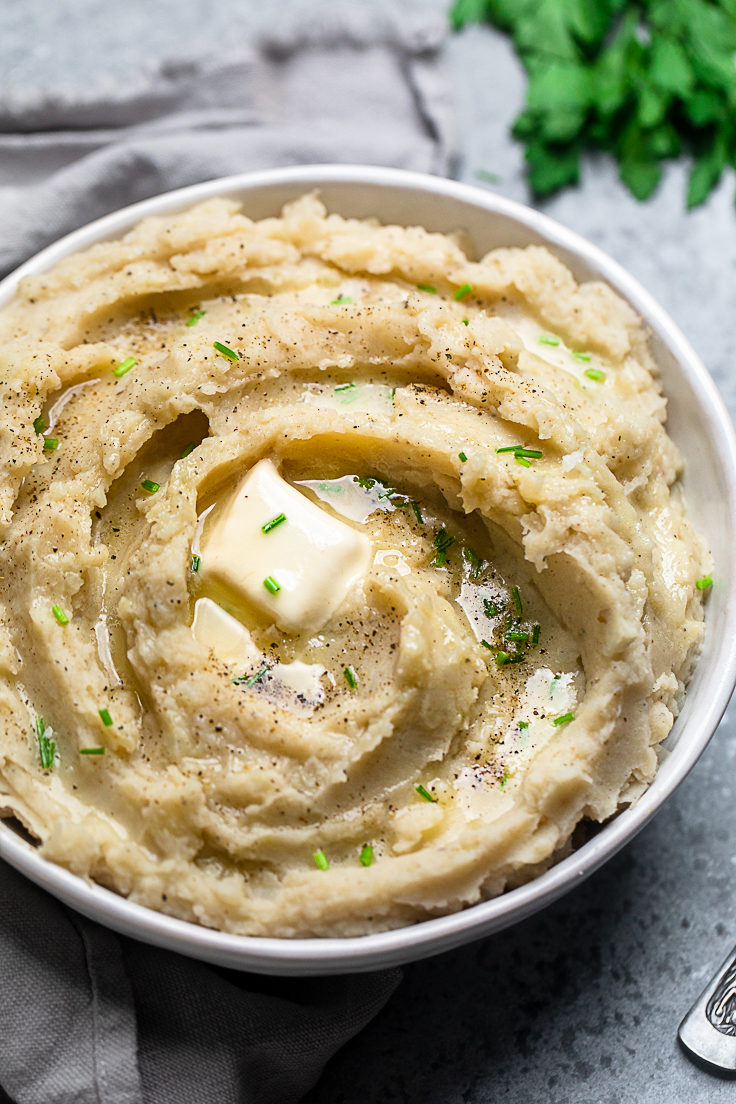
Sides help make spicy meals more enjoyable, balanced and diverse. Something bland and neutral can help soothe the heat, offering a break between bites.
Keep in mind, starchy foods can help reduce the spiciness by absorbing capsaicin since they have a large surface area and can trap the molecules.
Consider the dish you have made and try one of these side suggestions:
- Plain White or Rice
- Noodles
- Potatoes: Mashed potatoes, baked potatoes, or roasted potatoes (including roasted sweet potatoes and french fries)
- Bread (naan, pita, baguette, sliced)
- Avocados
- Vegan yogurt
4. The Right Drink Makes A Difference
Take a minute to analyze what you’ve already created. How spicy is it? Could the dish just be paired with a drink to help neutralize the heat? If so, try it, unaltered, with these options.
- Lemonade
- Limeade
- Orange Juice
- Tomato-based drink (tomato juice or V8)
- Surprising and Nostalgic Option: Kool-Aid
Grabbing water to drink with a hot and spicy meal might not be the best choice. The compound that makes food spicy is oil based so water would spread the heat making the spiciness feel worse. Your best bet is a citrusy or sugary drink option.
Important Considerations For Modifications
- Add Small Amounts: This allows you to control the balance and make more adjustments as needed. If you add too much of something you could ruin the dish and you might have to start all over. Adding liquids or dry ingredients can change the texture and consistency throwing it off from what was intended.
- Taste As You Go: It makes the cooking process more interactive and ensures a tasty outcome. This step helps you avoid surprises at the end of cooking. As you taste you gain a better understanding of how flavors work together and impact the dish which helps you become more intuitive and certain of what you’re doing.
- Think about the dish: You probably don’t want to add broth to a piece of vegan Nashville hot chicken; however, it would be perfect with a side of avocado. Keep in mind what the dish is and then see what from the lists above would be the best action to take.
Recipes to Try!
Here are some of our favorite recipes that have some heat. You’ll love trying them out especially since you have all the tips and tricks to tame it or turn it up.
- Curry Ramen
- Vegan Spicy Chickpeas with Tomato Basil Pasta
- Authentic Vegan Jamaican Rasta Pasta
- Vegan Nashville Hot Chicken (Tofu)
- Vegan Caramelized Onion and Chili Oil Pasta
- Spicy Vegan Cauliflower Burger
- Oven Roasted Brussels Sprouts and Edamame with Spicy Peanut Sauce
- Vegan Spicy Coconut Chickpeas
- 10 Minute Spicy Vegan Garlic and Oil Pasta
- Spicy Vegan Mac and Cheese Pizza


How to work with chilis
Now that you’re confident in being able to tame down your dish, we also want to make sure that you know our tips for working with chilis as well.
- Use gloves – Use latex (or safe for you gloves) when working with chilis in the kitchen so it does seep into the pores on your fingers.
- Wear glasses – If you are really sensitive, consider wearing safety glasses to avoid the potential for the juice to splash into your eyes
- Soap – if you do have to cut without gloves, immediately wash hash with soap. The soap will help take the spice away
We hope this guide has helped you reduce the heat in your recipe. Enjoy experimenting with new flavor combinations and have fun along the way. Let us know in the comments which tip was most helpful.


Rate and Review
We would love to hear what you think!
Comments
No Comments